Best suburbs to invest in Brisbane 2026

Key takeaways
- The picks: Ten suburbs across Brisbane's inner-north, southern and outer-southern corridors, with house medians from $660,000 to $1,280,000 and unit medians from $749,999 to $880,000.
- Who they suit: Investors willing to look beyond the inner ring, from first-timers chasing accessible entry prices to experienced buyers backing the southern growth corridor.
- Market conditions: Brisbane posted its first genuine correction in July 2026, with values down -0.6 per cent for the month, though rents are still rising strongly and vacancy sits at 0.9 per cent.
- The forecast: The big four banks all expect Brisbane to finish 2026 in positive territory, though their figures range from +2 per cent to +9 per cent.
- The trade-off: The suburbs with the strongest recent price growth carry thin yields, so the case rests on prices continuing to rise rather than rental income.
Why invest in Brisbane now?
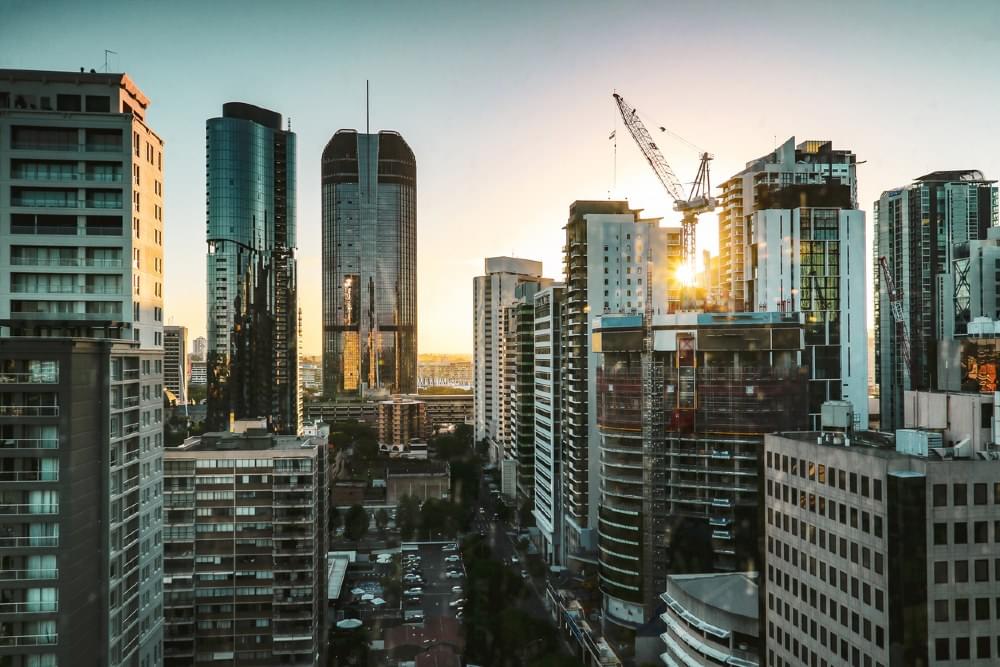
A decade as one of Australia's strongest property markets has ended in 2026's first real pause. That pause is where the investor case now sits.
Cotality's Home Value Index recorded a -0.6 per cent fall in Brisbane dwelling values in July 2026, with values still up +14.8 per cent over the prior twelve months: the direction has shifted.
PropTalk reported new listings up +11.0 per cent and total advertised stock up +13.6 per cent over the year to mid-June, handing buyers more time and more negotiating room.
Three interest rate rises through 2026 and the May budget's changes to negative gearing and the capital gains tax discount hit investor confidence hard.
Demand has not gone away: Brisbane added 58,200 people, up +2.1 per cent over the year. The 2032 Olympic and Paralympic Games bring a $7.1 billion venue capital-works program, and Construction Skills Queensland forecasts a shortfall of about 18,200 construction workers a year, capping new supply.
The rental market is the bright spot: SQM Research put vacancy at 0.9 per cent in July 2026, only nine empty homes in every thousand rentals.
Advertised rents grew +9.1 per cent over the year, the strongest of any capital in that release. The city-wide gross yield is 3.4 per cent on Cotality's figures, the benchmark for every suburb below.
Sentiment has pulled back sharply since budget night: Smart Property Investment reported buyer's agent Melinda Jennison noting open homes attracting one or two groups, against thirty to forty a few months earlier.
For a patient buyer, that means less competition and more room to negotiate on price.
A free property report on any suburb you are sizing up gives you recent comparable sales, average days on market and an estimated value for that address, free and with no obligation.

Brisbane property market forecast and price predictions 2026
Brisbane property market predictions for 2026 have diverged sharply as the market turned. The most bullish view came from KPMG's January 2026 Residential Property Outlook, which tipped house prices up +10.9 per cent and units up +7.8 per cent for the year. That forecast predates the three 2026 interest rate hikes, the May federal budget and the July value falls, and should be treated as stale.
| Source | 2026 forecast | 2027 forecast |
|---|---|---|
| ANZ | +4.0% | -4.5% |
| CBA | +8.0% | +4.0% |
| Westpac | +9.0% | +3.0% |
| NAB | +2.0% | +2.0% |
The big four banks agree that Brisbane ends 2026 in positive territory, but they disagree sharply on 2027. CBA's Housing Update tips +8 per cent for 2026 and +4 per cent in 2027. Westpac's Housing Pulse tips +9 per cent for 2026 and +3 per cent in 2027. ANZ Research's Housing Outlook expects +4 per cent for 2026, then a fall of -4.5 per cent in 2027. NAB's Housing Monitor is the most cautious, forecasting +2 per cent in both 2026 and 2027.
On the ground, Melinda Jennison of Streamline Property Buyers said in July 2026 that "the fundamentals that underpinned the past decade of growth have not disappeared. Housing construction is not keeping pace with demand, rental vacancies remain exceptionally low, and substantial infrastructure investment continues across the city."
All four banks expect interest rates to ease. Canstar's big-four tracker shows each bank pricing in a 25-basis-point cut in 2027, taking the cash rate to 4.1 per cent. Until rates fall, borrowing costs stay the constraint they have been all year, and the investment only pays off if prices hold or grow.
Deciding when to act is harder when forecasters are this far apart. OpenAdvantage is OpenAgent's buyer network: it gives you early access to thousands of off-market properties, homes whose owners are ready to sell but haven't listed publicly yet, at no cost.
How we chose the best suburbs in Brisbane
OpenAgent's data team ranks suburbs using a scoring model built on sales and rental records. The model is growth-led: recent and longer-term price growth carry the most weight, with days on market, listings volume and rental yield each contributing a smaller amount.
The rankings use sales and rental data for the 12 months to 30 June 2026. Growth figures compare that period with the previous 12 months and the equivalent period five years earlier. Each suburb is ranked on its stronger property type, house or unit.
A few honest caveats: gross rental yield is an estimate based on all properties in the suburb, not only rented ones. Suburbs below about 30 sales are excluded. Some data points are omitted where the figures are too limited to be reliable.
General information only, not financial advice. Figures are estimates and past performance is not a reliable indicator of future results. Always seek independent advice.
Brisbane's best suburbs to invest in 2026
Ten suburbs make this list, five houses and five units. Each is profiled individually after the comparison table. Across the picks, the strongest twelve-month growth tends to come with thinner yields, while the suburbs offering the best income generally show more modest recent price rises.
| Suburb | Postcode | Type | Median price | 12m growth | 5y growth | Median rent (pw) | Gross yield |
|---|---|---|---|---|---|---|---|
| Gaythorne | 4051 | Unit | $880,000 | +28.3% | +128.6% | $600 | 3.7% |
| Bethania | 4205 | House | $892,056 | +23.8% | +136.9% | $615 | 4.1% |
| Sunnybank Hills | 4109 | Unit | $875,000 | +25.0% | +138.1% | $413 | 2.6% |
| Wooloowin | 4030 | Unit | $868,500 | +26.8% | +126.8% | $580 | 3.6% |
| Runcorn | 4113 | House | $1,280,000 | +30.6% | +108.1% | $700 | 3.4% |
| Beenleigh | 4207 | House | $842,000 | +20.3% | +139.2% | $573 | 3.7% |
| Zillmere | 4034 | Unit | $749,999 | +24.0% | +134.7% | $550 | 4.1% |
| Kippa-Ring | 4021 | Unit | $660,000 | +23.9% | +135.7% | $520 | 4.0% |
| Browns Plains | 4118 | House | $920,000 | +18.4% | +135.9% | $620 | 3.5% |
| Crestmead | 4132 | House | $835,000 | +17.6% | +138.6% | $600 | 3.8% |
Source: OpenAgent data.

Get a free property value estimate
Find out how much your property is worth in today’s market.
1. Gaythorne 4051
Gaythorne sits about 8 kilometres north-west of the Brisbane CBD, a quiet, leafy pocket wedged between Enoggera and Mitchelton that has historically flown under the radar. Units here have moved sharply. The median rose +28.3 per cent over the past year to $880,000, the strongest of the five unit picks, off a five-year gain of +128.6 per cent.
The entry price is the highest of the five unit picks, and with a gross yield of 3.7 per cent the rent alone won't cover the costs of owning at this price point. Listings fell -15.5 per cent over the past year, and units are selling in about three weeks, unchanged on a year ago.
- Strengths: Exceptional recent price growth in a tightly held, inner-ring suburb where stock rarely comes up.
- Risks and considerations: A demanding entry price paired with a thin yield means growth has to keep doing the heavy lifting.
- Best suited for: Capital-growth investors with a long hold and the capacity to carry the gap between rent and costs.
2. Bethania 4205
Bethania is a suburban pocket in Logan City, roughly 35 kilometres south of the CBD near Beenleigh. Older-style houses on generous blocks attract families priced out of closer suburbs, and with a median of $892,056 after +23.8 per cent growth over the year, it has moved quickly.
Homes are selling in 20 days, the shortest of the five house picks, and the gross yield of 4.1 per cent is the highest of the five house picks. Listings data for the prior period is unavailable, so the supply trend cannot be confirmed.
- Strengths: Strong recent price growth combined with the best yield among the house picks, and stock moving fast.
- Risks and considerations: Logan City is a wide, varied market and outcomes vary sharply by street and presentation. Poorly presented stock can sit.
- Best suited for: Investors who want both income and growth and are comfortable buying further from the CBD.
3. Sunnybank Hills 4109
Sunnybank Hills is a well-established southern suburb about 14 kilometres from the city, known for its busy restaurant strips, large Asian-Australian community and good access to the Pacific Motorway. The five-year growth of +138.1 per cent is the strongest of the five unit picks, and the median reached $875,000 over the past year, up +25 per cent.
Units are selling in 28 days, down from 36.5 days a year ago, meaning stock is moving faster than it was despite the softer city-wide conditions. The gross yield is 2.6 per cent, the lowest of the ten picks, and listings data for the prior period is unavailable, leaving the supply trend unclear.
- Strengths: Outstanding five-year price growth in a suburb with strong owner-occupier demand and a distinctly local character.
- Risks and considerations: A thin rental yield means the investment relies almost entirely on continued price growth to pay off, and the supply trend cannot be confirmed.
- Best suited for: Patient, growth-focused investors who can comfortably carry a low-income property over the long term.
4. Wooloowin 4030
Wooloowin is a compact, character-filled suburb about 5 kilometres from Brisbane's CBD, close to Lutwyche and well connected via Gympie Road. Its Queenslander streetscapes pull in owner-occupiers, and units here are selling in 15.5 days, the shortest of the ten picks, down from 22 days a year ago.
The twelve-month price growth of +26.8 per cent brings the median to $868,500, and the five-year growth of +126.8 per cent is the weakest five-year growth of the five unit picks. Listings fell -23.4 per cent over the past year, tightening supply in a suburb that is already moving fast.
- Strengths: Genuine inner-city location with rapidly shrinking supply and exceptionally fast selling conditions.
- Risks and considerations: The long-run growth record trails the other unit picks, so this is a bet on recent momentum rather than a proven multi-cycle track record.
- Best suited for: Investors who prioritise location and liquidity, and are comfortable with a shorter growth story.
5. Runcorn 4113
Runcorn is a well-connected southern suburb about 16 kilometres from the CBD, close to Sunnybank Hills and with easy access to the Pacific Motorway. The median price rose +30.6 per cent over the past year to $1,280,000, the strongest of the ten picks, and homes are selling in 23 days, a touch faster than the 25 days recorded a year ago.
The entry price is the highest of the ten picks, and the gross yield sits at 3.4 per cent. Listings rose +8.3 per cent over the past year, giving buyers a little more choice at this end of the market.
- Strengths: Exceptional recent price growth, in a southern corridor with enduring family appeal.
- Risks and considerations: A demanding entry price paired with a modest yield means the investment relies heavily on continued price growth.
- Best suited for: Experienced investors with significant capital who are backing the southern growth corridor for the long term.
6. Beenleigh 4207
Beenleigh is a regional hub about 37 kilometres south of Brisbane CBD, sitting near the Gold Coast corridor with some of the most accessible prices on this list. The median reached $842,000 over the past year, up +20.3 per cent, and five-year growth stands at +139.2 per cent.
Homes take 28 days to sell, the longest of the five house picks, and listings rose +15.4 per cent over the past year, giving buyers room to negotiate. The gross yield is 3.7 per cent against a median rent of $573 a week.
- Strengths: Exceptional long-run growth record, with a more accessible entry price than most suburbs on this list.
- Risks and considerations: Rising listings and longer selling times mean more competition at resale, and rental income is thin relative to the entry price.
- Best suited for: Entry-level investors focused on long-run growth who are comfortable in an outer-corridor, affordable market.
7. Zillmere 4034
Zillmere sits in Brisbane's northern suburbs, about 13 kilometres from the CBD, close to Aspley and Boondall. It draws renters and working families, which keeps the rental market active. The gross yield of 4.1 per cent is the highest of the five unit picks, and the median price rose +24 per cent over the past year to $749,999.
Selling pace has slowed: homes are taking 22 days, up from 17.5 a year ago. That extra time is good news for buyers, who have more room to negotiate than they did twelve months ago. Listings held flat over the year, so supply is steady rather than tightening.
- Strengths: Strong rental yield at an entry price accessible to a wide range of investors.
- Risks and considerations: Selling pace has slowed noticeably, and steady listing volumes mean buyers hold the negotiating advantage.
- Best suited for: Yield-focused investors who can accept a slower resale environment.
8. Kippa-Ring 4021
Kippa-Ring sits on the Redcliffe Peninsula, about 35 kilometres north of the CBD, with a relaxed bayside character that draws retirees and young families alike. The median price rose +23.9 per cent over the past year to $660,000, the lowest entry price of the ten picks, and the five-year gain of +135.7 per cent shows this market has been on investors' radar for some time.
Days on market have moved out to 39, up from 32 a year ago, meaning buyers are taking more time than before. The gross yield sits at 4 per cent, and with listings up just +2.2 per cent over the past year, supply is broadly steady.
- Strengths: Accessible entry price in a coastal location with genuine lifestyle appeal and a strong long-run track record.
- Risks and considerations: Selling pace has slowed meaningfully, and properties are taking longer to move than they were a year ago.
- Best suited for: Budget-conscious investors, including those buying their first investment property, comfortable with a more patient resale market.
9. Browns Plains 4118
Browns Plains is a well-serviced outer suburb in Logan City, about 26 kilometres south of the CBD, with large retail precincts, schools and solid motorway connections that make it a practical choice for families. The median rose +18.4 per cent over the past year to $920,000, off a five-year gain of +135.9 per cent.
The gross yield is 3.5 per cent. Listings rose +26 per cent over the past year, giving buyers more negotiating room at entry than most suburbs on this list. That rising supply is worth watching: more stock on the market keeps prices honest now, and could take some of the heat out of values at resale.
- Strengths: Steady growth across both the short and long term, in a practical family suburb with strong amenity and services.
- Risks and considerations: A significant rise in listings means supply is growing, which gives buyers leverage now but could take some heat out of prices at resale.
- Best suited for: Buy-and-hold investors who want a reliable outer-southern suburb with consistent demand from family renters and owner-occupiers.
10. Crestmead 4132
Crestmead is a Logan suburb about 30 kilometres south of the CBD, close to Browns Plains and Logan Central, with modest housing stock and easy motorway access that keeps it popular with tenants. The median rose +17.6 per cent over the past year to $835,000, and the five-year gain of +138.6 per cent shows the long-run story is a strong one.
Listings rose +25.6 per cent over the past year, the largest of the ten picks, and homes are taking 21.5 days to sell, up from 19 days a year ago. Buyers have genuine room to negotiate here.
- Strengths: A strong five-year growth record and a reasonable yield, in a suburb where buyers currently hold the advantage on price.
- Risks and considerations: Recent price growth has softened, and sharply rising supply means near-term momentum is the least certain of any pick here.
- Best suited for: Long-hold investors focused on the five-year story rather than short-term momentum, who want to enter at a negotiable price point.
The bottom line
Brisbane in 2026 is a market that has cooled but not cracked: values have pulled back, buyers have more room to negotiate, and the Olympic-decade pipeline and tight rental conditions give the longer-term case genuine substance.
The suburbs that screened well are spread across the city's southern and northern corridors, offering a range of entry prices and yield-versus-growth profiles. Rising listings in several picks mean entry conditions favour the buyer, but patient stock selection matters more now than it did a year ago.
Explore suburb profiles to dig into the data on any suburb before you commit.
Is Brisbane a good place to invest in 2026?
Brisbane is a softer market than it was twelve months ago. Dwelling values dipped -0.6 per cent in July 2026, listings have risen, and buyer sentiment has weakened since the May federal budget. The case for investing still rests on solid ground: population growth of +2.1 per cent, a vacancy rate of just 0.9 per cent, and a decade-long Olympic infrastructure pipeline that keeps long-run demand intact. This is a market where patient buyers with a five-year-plus horizon are better placed than those looking for a quick return.
 - https://sketch.com --%3e %3ctitle%3eicons / icon-chevron-down%3c/title%3e %3cdesc%3eCreated with Sketch.%3c/desc%3e %3cg id='icons-/-icon-chevron-down' stroke='none' stroke-width='1' fill='none' fill-rule='evenodd'%3e %3crect id='Icon-container' x='0' y='0' width='24' height='24'%3e%3c/rect%3e %3cpolygon id='Shape' fill='%2300AB55' points='12 14.3357864 5.20710678 7.54289322 3.79289322 8.95710678 12 17.1642136 20.2071068 8.95710678 18.7928932 7.54289322'%3e%3c/polygon%3e %3c/g%3e%3c/svg%3e)
Should I focus on capital growth or rental yield in Brisbane?
This list is built around growth, so the picks lean that way. That said, Brisbane's city-wide gross yield sits at 3.4 per cent, and several suburbs on this list do better than that. If income matters most to you, the unit picks are worth a closer look: Zillmere and Bethania both return 4.1 per cent. Growth and yield rarely peak together, and the profiles above spell out the trade-off for each suburb.
Is it better to buy a house or a unit in Brisbane?
Over the past twelve months, units have had the stronger run: the five unit picks averaged +25.6 per cent growth, against +22.1 per cent for the five house picks. Over five years, the gap is narrower: units averaged +132.8 per cent and houses +131.7 per cent, which is close enough to call level. Units are also coming in at a lower entry price on this list, which gives them a yield advantage in the current market. Houses offer more liquidity in most suburbs and tend to attract owner-occupier demand that keeps prices firm through softer periods.
What budget do I need to invest in Brisbane?
Suburb medians across the ten picks run from $660,000 for Kippa-Ring units up to $1,280,000 for Runcorn houses. Most of the picks sit between $835,000 and $920,000. These are suburb medians, not the cheapest available property, so individual opportunities may come in above or below. Factor in stamp duty, holding costs and a finance buffer on top of the purchase price.
Get a free property report to check comparable sales and an estimated value before you commit to any suburb on this list.
How did OpenAgent choose these suburbs?
The screen is growth-led: suburbs are ranked primarily on recent price performance, with sales volume, listing trends and rental yield used to filter out thin or illiquid markets. The methodology section above sets out the full criteria and the data period.